
Reminder: I am not a physician or health care provider of any kind. Please speak with someone who didn’t almost flunk freshman bio before embarking on any treatment or exercise regimen.
You’ve gotten the diagnosis you’ve been dreading. Your neurologist hands you a bunch of prescriptions: Take one and a half of this every four hours, except the last dosage of the day is after five hours. And at 4:00 p.m. you take the little yellow-ish pink one, and the tiny rust-colored one at 8:00 p.m. Your sister is horrified by the jumble of pill bottles in your medicine cabinet, your floor littered with tiny yellow and white tablets. She returns with five pill organizers and, after emptying the medicine cabinet, sets out to create a workable medication management system. Sisterhood is powerfu!
I HATED this disease and I’d only had it for two days. Well, as most of us know, we’d actually “had” it for two or more years; we just didn’t know it.
Besides pills, what could we do to make life easier, better, and even, believe it or not, more fun. What I hope you will gain from this post are some suggestions for improving your quality of life and possibly disease outcomes. I’m no more a doctor than Kildare, Ben Casey or House.

And by the way, the number one “prescription” cited for its ability to ward off Parkinsonian disease progression is exercise, along with other activities. For example:
Boxing
You’re certain I’m kidding, right? How many times have my friends heard me decry boxing and football as unworthy of the term sport due to the fact that injuring people is actually the point of the game. And, irony of ironies, didn’t Mohammed Ali develop a serious case of Parkinson’s from being pummeled in the head playing this so-called sport?
I take back everything I said about boxing. Well, not everything. But there’s boxing before an audience of folks placing bets on which burly guy will beat the other so badly he won’t be able to rise from the floor, and there’s the boxing that I’ve been engaged in for nearly a year. What’s the difference? Well, there must be a reason virtually everyone I inform about my diagnosis tells me “I’ve heard boxing is really good for Parkinson’s.” Good how, exactly?
First of all, no hitting in the head. In fact, no hitting any humans at all. Unless that changes at some point, whereupon I shall quit. During the pandemic, I punched the air, due to the fact that we were all participating from home, and I’m guessing no one in the class owned a punching bag that would take up half the living room.
But we’re now in person and I’ve just ordered my boxing gloves. I’ve gotta say, my boxing class is the toughest, and seemingly most rigorous class of my surprisingly active week. I’m burning up those calories, as Todd pushes us to our limits. Here are some of the observed benefits of this sport for those of us unlucky enough to have received a PD diagnosis:
- Increased strength.
- Improved hand-eye coordination.
- Improved posture.
- Better cognitive processing.
- Relieves symptoms of soft-voice disorders.
- Stronger core which can lead to a better gait.
- Improved balance and agility.
- Improved reaction time
Just a week ago, my MDS (Neurologist who is a Movement Disorder Specialist) informed me that two years in, I’m still in Stage One of the disease and without disease progression. I don’t mean to suggest that my condition is a direct result of boxing, or any other activity, because some of it is dumb luck. But just to be safe, I plan to continue boxing until I can no longer raise my arms and hit that damn punching bag.
Resistance and Endurence Exercise
Weights and machines. Ugh. My least favorite forms of exercise. But there’s evidence that improved cognition, posture and balance may result from a high-intensity workout. I think it’s time to schedule a visit with a trainer before my arms start flopping around and I’m unable to lift the pasta pot from the burner.
Dance

Well, that sounds like fun, doesn’t it? It is!!! We’re still remote, so I’m “dancing” in my bedroom, watching our instructor on my laptop. The acclaimed dance company Marc Morris Dance Group has created a teaching module for those who wish to be trained to teach their routines designed specifically for those with Parkinson’s. Again, like many of these activities, the aim is to slow progression of the disease. It seems to be working for me!
Singing – alone and with a group
Some people with Parkinson’s develop vocal issues, including the following:
- Softened voice
- Speaking in an unchanging pitch (monotone)
- Having a hoarse or strained quality to your voice
- Having a breathiness to your voice.
- Trouble clearly and easily pronouncing letters and words
- Tremor in your voice
- Swallowing problems
Singing has been shown to reduce Parkinson’s symptoms like tremor, and issues with walking and posture. This is because it helps to relax muscles and release tension in the back and neck.
Singing can also help reduce anxiety and low mood by lowering stress hormones and increasing the brain’s ‘feel-good’ chemical (endorphins). This is especially true of group singing. I am in a chorus and yes, we are called the Tremble Clefs. We sing standards from the forties through the sixties, and the show tunes that I grew up on, and that my sisters and I sang with our dad accompanying us on the piano. It also takes me back to my summer camp days, where we seemed to burst into song at the drop of a hat. They can call this medicine if they want but I call it pure joy.
Ping Pong Parkinson’s
It seems that there’s a new approach to managing PD every time you turn around. Here’s one of the newer ones – Ping Pong Parkinson’s (a 501 (c)3 organization that is in the process of creating chapters around the world.
They were established officially in 2017 with the goal of halting the progression of Parkinson’s Disease by utilizing ping pong as a form of physical therapy. The model is based on the concept of neuroplasticity – the brain’s capacity to make new neurons and connections through challenging physical exercise. When people with Parkinson’s disease are playing the game, areas of the brain that handle tasks like planning and problem-solving — usually impacted by the disease — are activated.
Yoga
Lots of research is being done into how yoga may help with the physical and non-physical symptoms of Parkinson’s. So far, it appears that yoga can help lessen slowness and stiffness, improve balance and flexibility (especially in hips and ankles), and increase muscle strength and power.
Drumming
Finally (at least for now), drum roll please for….drumming! There are probably fewer studies on the benefits of drumming than those activities previously noted, but at least it’s worth a look – and sounds like fun.
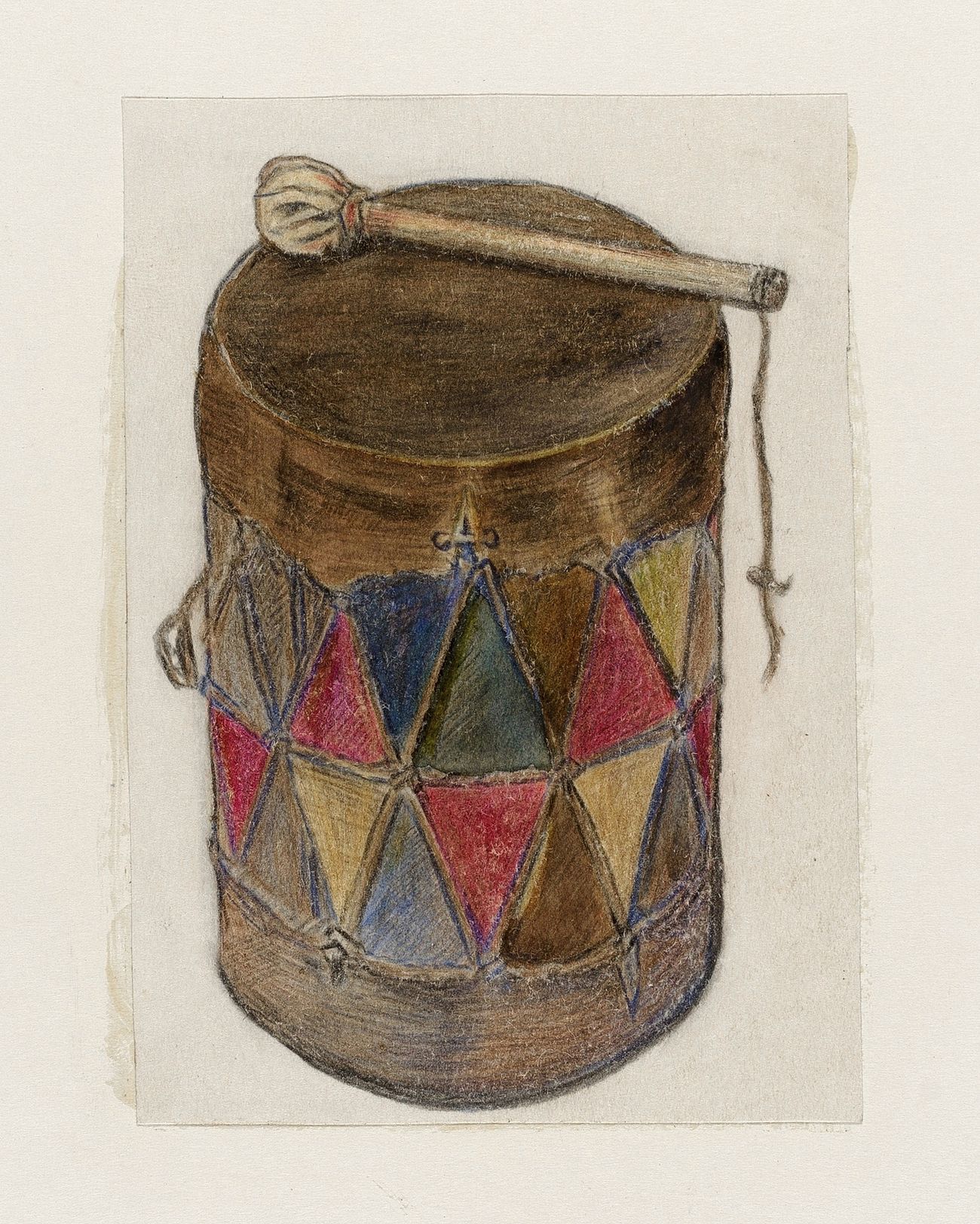
Here are some of the alleged benefits of hitting a swath of stretched plastic (which has replaced animal skins) with a pair of sticks:
- Reduced symptoms, especially in gait
- Drumming boosts the immune system, and lowers blood pressure and stress hormones
- Drumming releases endorphins in the brain, causing feelings of happiness
- Oooh! Just like singing in a group. Should I be starting a singing and drumming group? With dancing? While playing ping pong? The combo possibilities are endless.
Remember, I have no medical training whatsoever, other than my mom showing me how to put a bandaid on a cut when I was five. So if something sounds fishy, or you’re just plain uncertain, check it out elsewhere. Being charged with practicing medicine without a license would be very bad for my health and every part of my being.
Here we go….Heads, shoulders, knees and toes!
And if you’d like to help me get more attention for Parkinson’s, click here.
 Moving and Shaking
Love this❤️
LikeLike
I love it Andy!
So well written!
Looks like you’ve been able to tame your Parkinson’s quite well!
Wish you the best!
LikeLike
Thank you, my anonymous friend! Wishing you the best too!
Andi
LikeLike
So admirable! Olympic gold for your efforts and accomplishments in handling this condition!
LikeLike
You are very kind – thank you.
Andi
LikeLike
Thank you for the reminder. We so often need to be reminded of how important it is to excersize
LikeLike
You’re a champ! Love this post as we can all benefit from these activities. Thanks for the inspiration and chuckles. XoX
LikeLike
You’re welcome and thank you for your nice comment.
Andi
LikeLike
Thank you for sharing!!
LikeLike